

Tracking key milestones for children in Oregon
Understanding outcomes, opportunities, and progress for Oregon’s young children.
This data tracker was created to answer two questions: How are Oregon’s young children doing? How well are Oregon’s early childhood systems working, and for whom?
Oregon has strong programs, committed partners, and community-led efforts working on behalf of young children and families. However, childhood data is scattered across agencies, reporting structures, and program systems. This data tracker is organized around four milestones that help users see what Oregon children experience from birth through the early grades, where gaps remain, and what actions can strengthen the conditions children need to be great by age eight.
Each milestone includes Oregon-specific data, national comparisons where available, equity context, data gaps, recommendations, and a path forward for policy and investment.

Milestone 1
Secure Attachment
Birth through age 2
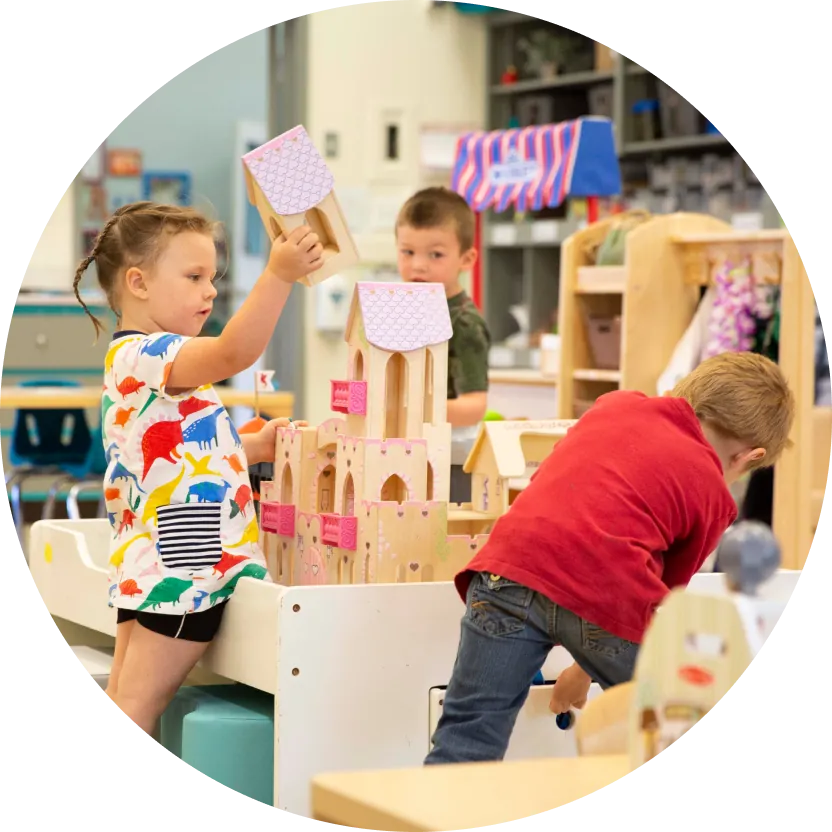
Children need safe, stable, nurturing relationships with parents, caregivers, and trusted adults from the very beginning. Positive early relationships and family supports help children feel safe, regulate their emotions, and build the foundation for healthy development.
Indicators in this milestone:
- Screening and treatment for postpartum depression and maternal mental health
- Home visiting reach and doula supports
- Prevention of Adverse Childhood Experiences (ACEs) and promotion of Positive Childhood Experiences (PCEs)
Milestone 2
Access to Quality Care
Birth through age 5
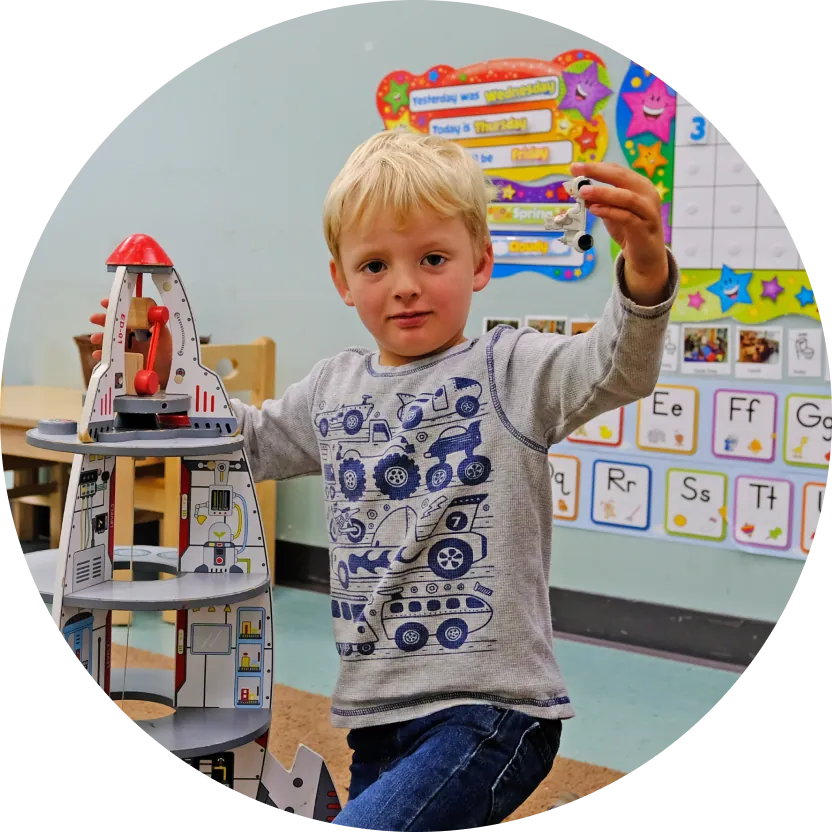
Children and families need systems of early learning, health, and family support that are affordable, culturally responsive, and easy to navigate. Access to quality care should be distributed fairly across Oregon communities.
Indicators in this milestone:
- Licensed child care supply
- Child care affordability
- Access to early learning
- Early Intervention and Early Childhood Special Education
- Access to early health care
- Access to early social-emotional health services
Milestone 3
Strong and Supported Kindergarten Transitions
Ages 4–6
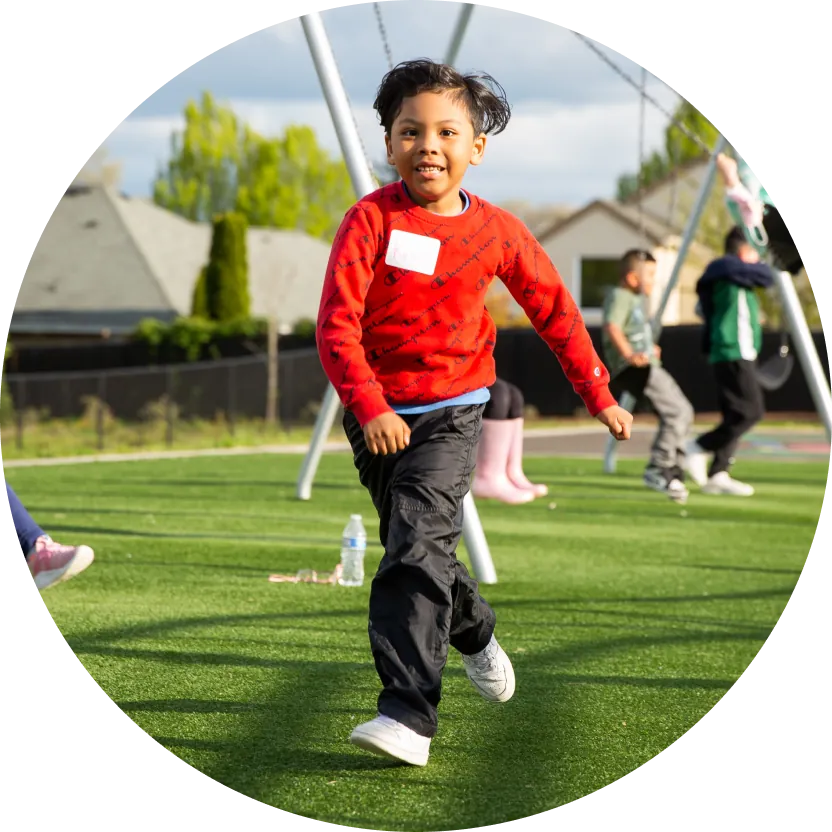
Children should enter kindergarten feeling known, welcomed, and ready to keep learning. This successful transition depends on building connections between children, families, early educators, schools, and communities before kindergarten begins.
Indicators in this milestone:
- Transition support reach
- Kindergarten and early grade attendance
Milestone 4
Confidence to Learn and Explore
Ages 5–8
By the early grades, children should have the relationships, skills, curiosity, and confidence they need to keep learning. Oregon’s early elementary systems can create the conditions all children need to thrive as learners.
Indicators in this milestone:
- Connection to and support in school
- Foundational skills by the end of third grade
Using data responsibly
Data can help Oregon see patterns, track progress, and make better decisions. But data alone cannot tell policymakers, educators, providers, advocates, or communities everything they need to know. Each dataset should be read alongside the experiences of families, educators, providers, and communities.

Statewide numbers can show broad trends, but they can also hide important differences related to race, income, geography, disability, language, and community context. Disaggregated and/or local data can help us better understand who is being reached and who is not. But such data is often not collected or otherwise not readily available.

Children and families experience Oregon’s systems differently depending on where they live. A statewide indicator may not reflect the reality of a rural county, a tribal community, a culturally specific provider, or a neighborhood with limited access to services.

Some important questions cannot yet be answered with available public data. In those cases, the data tracker identifies data gaps. What Oregon does not collect, connect, or report can limit the state’s ability to understand whether children and families are receiving the support they need.

Data sources are updated on different schedules and may use different definitions, methods, or reporting periods. Changes over time should be interpreted carefully, especially when programs, eligibility rules, funding levels, or data collection methods have changed.

The data tracker is not meant to provide every answer. It is meant to help users ask stronger questions, identify priorities, and connect data to action.
Ways to use what you learn from this data tracker
Preparing Testimony
Use milestone and indicator pages to identify a core issue, relevant Oregon-specific data points, and policy recommendations. The key takeaways can help translate data into a clear message for legislators, agency leaders, and public hearings.
Writing Grants or Funding Proposals
Use the data tracker to describe the need, show why the issue matters in Oregon, and connect proposed work to a broader early childhood outcome. The data tracker can also help document gaps, disparities, and opportunities for investment.
Program Planning
Use the data to identify where systems are reaching children and families, and where access may be limited. Recommendations can help inform program priorities, partnership development, service design, and local planning conversations.
Coalition Alignment
Use the milestones as a shared framework for partners working across early learning, health, family support, K–12 education, and advocacy. The data tracker can help coalitions organize around common outcomes while recognizing that different partners may work on different parts of the system.


Help us improve this data tracker
Children’s Institute offers the Oregon Early Childhood Data Tracker as a statewide resource.
We welcome feedback from community partners, educators, providers, advocates, families, researchers, and policymakers. Please let us know how the data tracker is informing your work, and what other data would be helpful. If something is missing, unclear, or could be more useful, we want to know.